

The Complete 2026 Guide to THC & Cannabis Product Packaging Design & Compliance
Branding & Packaging
THC Packaging: The Complete 2026 Guide to Cannabis Product Packaging Design & Compliance
18 December 2025
By Tony Ibbotson, Founder and Creative Director at The Creative Method
Tony Ibbotson is Founder and Creative Director at The Creative Method, a disruptive brand and packaging agency specialising in food, drink and FMCG sectors. With 25 years’ experience in packaging design and brand storytelling, Tony helps brands navigate complex regulatory requirements while creating packaging that sells.
Quick Answer: What Is THC Packaging?
THC packaging refers to specialised containers designed to store, protect, and transport cannabis products. These packaging solutions must be child resistant, include mandatory safety labels, comply with Australian regulations, and keep your product fresh whilst telling your brand story.
TL;DR
- Definition: Child resistant containers, bags, tubes, and boxes specifically designed for cannabis products
- Key Types: Pre roll tubes, glass jars, mylar bags, concentrate containers, and custom packaging options
- Compliance: Must meet TGA regulations including child resistant standards and mandatory labelling requirements
- The Challenge: Balance regulatory compliance with distinctive brand identity
- Market Growth: Cannabis packaging market projected to reach USD 4.07 billion by 2030
The cannabis industry has changed dramatically over the past decade. What was once a grey market has evolved into a sophisticated, regulated industry where packaging matters as much as the product inside.
Here’s the thing: in a market that’s becoming increasingly crowded, your packaging isn’t just a box or a bag. It’s your brand ambassador. It’s what separates you from the competition at the smoke shop. And yes, it’s what keeps you compliant with some seriously strict regulations.
Understanding THC Packaging: Definition & Purpose
THC packaging does more than hold your product. It protects sensitive cannabis from light, moisture, and oxygen. It keeps children safe through child resistant features. It communicates everything customers need to know through compliant labelling. And critically, it tells your brand’s story in a market where differentiation is everything.
What Makes THC Packaging Different from Standard Product Packaging
Unlike your standard consumer goods, marijuana packaging faces extraordinarily strict requirements. The most critical? Child resistant mechanisms that meet international standards including ISO 8317 and AS/NZS specifications to prevent children under five from accessing contents.
Then there are tamper-evident seals, giving customers confidence their product hasn’t been compromised during transport or storage. Add to that specific labelling requirements – safety warnings, THC content, dosage information, batch numbers – all whilst maintaining readability and professional presentation.
Material considerations differ substantially too. Cannabis packaging must protect against light degradation, moisture, and oxygen exposure to keep the product fresh and maintain potency.
The Dual Role: Compliance Meets Brand Identity
Here’s where it gets interesting. Regulations tell you what must appear on your packaging and how products must be secured. But they don’t mandate boring, generic design.
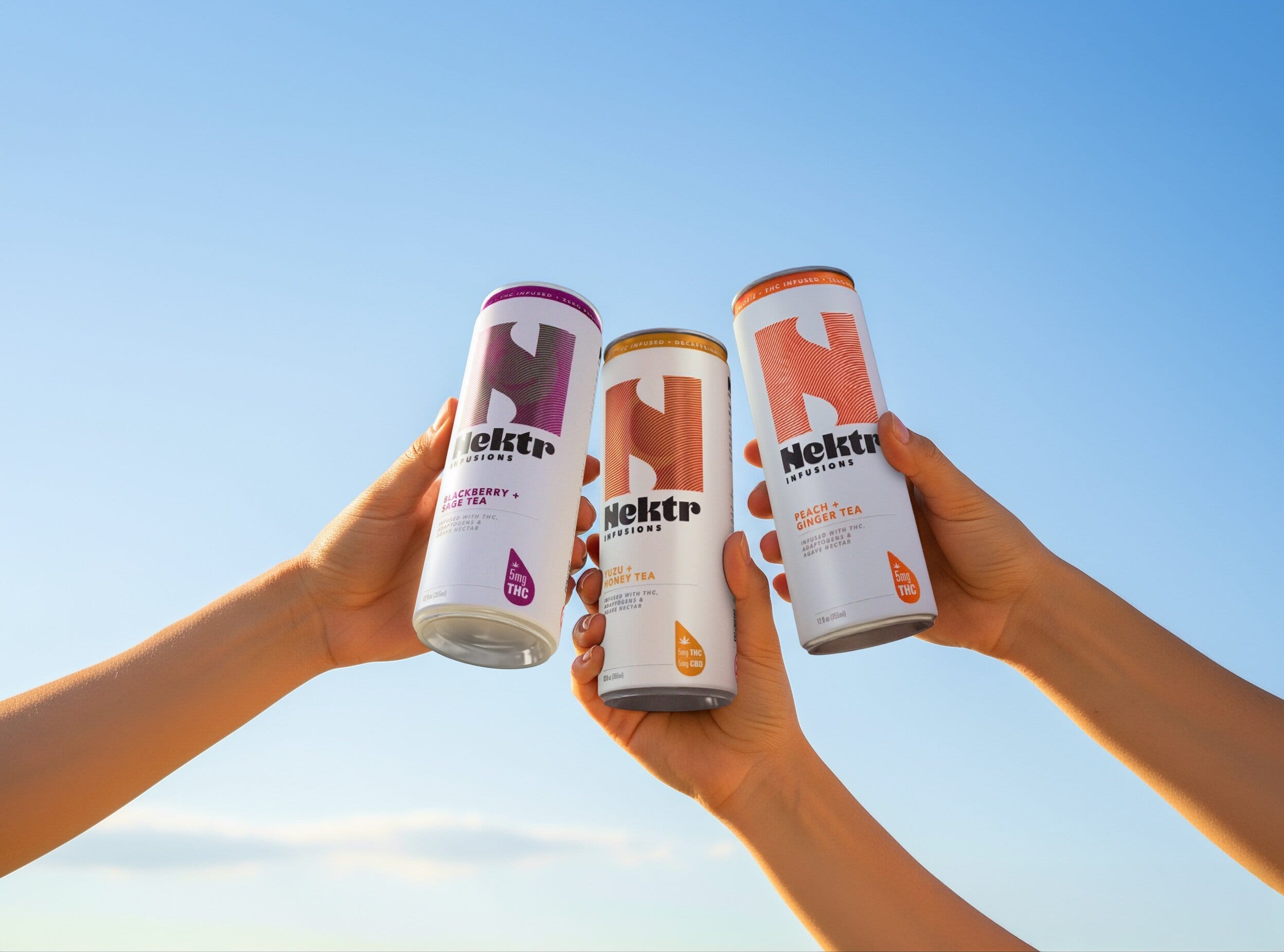
This creates a remarkable opportunity for brands willing to think creatively. Custom packaging lets you differentiate in a crowded, evolving market through smart use of colour, typography, material selection, and structural design. Constraints can become catalysts for innovation rather than barriers to creativity.
“The cannabis packaging market is evolving beyond mere compliance containers toward sophisticated brand experiences that compete alongside mainstream consumer products, driving innovation in materials, functionality, and design.” — Mordor Intelligence, 2024
Types of THC Packaging Solutions
Child Resistant Containers and Jars
Glass jars with child resistant closures remain the gold standard for cannabis flower. They offer excellent product protection, let customers see and smell the product, and maintain freshness through airtight seals. Pop top containers provide quick adult access whilst meeting child resistant standards.
Quality glass jars come in various sizes from single-gram containers to larger storage options for bulk pricing. Many suppliers offer customisation options: embossed logos, custom labels, or unique container shapes that align with your brand identity.
Exit Bags and Pouches
Mylar bags have become synonymous with cannabis packaging. They’re lightweight, cost-effective, and offer excellent barrier properties against light, moisture, and odours whilst providing ample surface area for branding. Child resistant zip closures ensure security during transport and storage.
With competitive pricing and accessible minimum order quantities, custom mylar bags offer exceptional value. Modern printing technology enables full-colour graphics that stand out at dispensaries and smoke shops.
Tubes and Pre Roll Packaging
Pre roll tubes protect delicate pre roll products from crushing whilst incorporating child resistant mechanisms and maintaining freshness. Common materials include plastic, tin containers, and sustainable cardboard tubes with specialised closures.
The cylindrical format offers 360-degree printing that maximises visual impact. Many brands opt for custom tubes featuring their logo, strain information, and artistic designs that reflect brand personality.
Boxes and Cartons
Secondary packaging through boxes and cartons provides additional protection during transport, creates storytelling opportunities through extended surface area, and enhances perceived value through premium presentation.
Cardboard boxes with child resistant features offer sustainable packaging solutions whilst maintaining compliance. For premium market segments, custom boxes communicate quality and attention to detail that justifies higher pricing.
| Pack Type | Best For | Compliance Features | Design Flexibility |
|---|---|---|---|
| Glass Jars | Flower, concentrates | Child resistant lids, tamper-evident seals | Medium (labels, etching, custom closures) |
| Mylar Bags | Edibles, flower, bulk | Resealable child resistant zips | High (full-colour printing, various sizes) |
| Pre Roll Tubes | Joints, pre-rolled cigarettes | Push-and-turn caps, squeeze mechanisms | Medium (wrap labels, direct printing) |
| Boxes/Cartons | Multi-product sets, premium items | Locking tabs, magnetic closures | Very high (printing, finishes, structure) |
THC Packaging Compliance Requirements in Australia
TGA Regulations for Cannabis Product Packaging
The Therapeutic Goods Administration (TGA) oversees medicinal cannabis regulation in Australia, establishing comprehensive packaging and labelling standards under TGO 93. Packaging must meet Good Manufacturing Practice (GMP) standards, demonstrating consistent quality throughout production.
Working with experienced packaging suppliers who understand these regulations helps avoid costly mistakes and ensures rapid production timelines aren’t compromised.
Child Resistant Packaging Standards
Child resistant packaging requirements reference international standards ISO 8317, ISO 13127 and AS/NZS standards. Testing involves protocols where children attempt to open containers within specified timeframes. Packaging only qualifies if the majority of test subjects cannot breach security features.
You’ll need documentation proving your packaging meets these standards, including test certificates and compliance declarations.
Mandatory Labelling and Warning Requirements
Australian regulations mandate specific information on all cannabis product packaging: product name and strength, active ingredient quantities (THC and CBD content), batch numbers and expiry dates, storage instructions, manufacturer details, and prominent health warnings.
The challenge? Incorporating these elements without overwhelming the package or diminishing brand identity. Strategic layout and typography allow designers to integrate mandatory information seamlessly.
Ready to Create Compliant THC Packaging That Tells Your Brand Story?
At The Creative Method, we specialise in the intersection of regulatory compliance and compelling brand design. Discover our packaging design expertise and see how we help brands tell their stories.
Design Considerations for Effective THC Packaging
Step 1: Balancing Compliance with Creative Brand Expression
Reframe regulatory requirements as design parameters rather than limitations. Consider how warning labels can be incorporated using brand colours and typography. Child resistant mechanisms can become distinctive brand signatures – a unique closure style customers associate specifically with your products.
Working with a professional design team experienced in regulated industries ensures compliance doesn’t compromise brand identity.
Step 2: Material Selection for Cannabis Products
Glass offers premium presentation and excellent product protection. Plastic provides versatility and cost-effectiveness for child resistant bottles. Metal tin containers deliver durability and a distinctive tactile experience. Flexible packaging through mylar bags continues growing in popularity due to lightweight construction and strong barrier properties.
Step 3: Colour, Typography and Visual Hierarchy
Visual design elements communicate brand personality. Earthy greens and browns suggest natural, organic products. Vibrant colours indicate energetic, recreational-focused brands. Muted, sophisticated palettes target premium medical markets.
Typography must balance legibility with personality. Creating visual hierarchy ensures customers immediately grasp key information – product type, strain name, THC content – before discovering secondary details.
Step 4: Creating Packaging That Differentiates Your Cannabis Brand
Your packaging should answer why customers should choose your brand over competitors. Perhaps your commitment to sustainability manifests through eco-friendly materials. Maybe your focus on precision translates into pharmaceutical-grade packaging. Or your brand’s creative spirit emerges through bold graphics and unconventional formats.
Explore our portfolio to see how we’ve helped brands in adjacent categories create distinctive packaging that drives sales.
Sustainability and Innovation in THC Packaging
Innovation in sustainable packaging materials now provides viable alternatives: biodegradable plastics, recycled glass and metal containers, hemp-based papers and cardboards, and compostable films and bags.
Technology integration represents the frontier. Smart packaging incorporating QR codes connects customers to detailed product information, authentication systems, and consumption guidance. NFC chips enable tap-to-verify authentication, protecting brand reputation against counterfeit products.
Common THC Packaging Mistakes to Avoid
- Prioritising aesthetics over compliance: Always start with compliance, then layer in creative design
- Inadequate product protection: Consider light, moisture, and oxygen protection requirements
- Ignoring child resistant testing: Always work with certified suppliers and maintain documentation
- Generic, forgettable branding: Stand out with distinctive design that builds brand recognition
- Insufficient labelling space: Plan label layouts early in the design process
Frequently Asked Questions About THC Packaging
What are the legal requirements for THC packaging in Australia?
THC packaging must comply with TGA regulations under TGO 93, including child resistant closures meeting ISO 8317 and AS/NZS standards, tamper-evident seals, and mandatory labelling with THC/CBD content, warnings, batch numbers, and manufacturer information.
Does all cannabis packaging need to be child resistant?
Yes, all medicinal cannabis products in Australia require child resistant packaging to prevent access by children under five years, regardless of product format.
Can I customise THC packaging for my brand?
Absolutely. Whilst compliance requirements are non-negotiable, significant customisation options exist including custom printing, unique container shapes, branded closures, embossing, and proprietary colours and typography.
What information must appear on THC product labels?
Product name and THC/CBD strength, active ingredient quantities, batch number and expiry date, storage instructions, manufacturer details, prominent health warnings, and dosage information where applicable.
How much does compliant THC packaging cost?
Costs vary based on packaging type, customisation level, order quantities, and materials. Glass jars typically cost more than mylar bags. Wholesale prices become more favourable at higher minimum order quantities.
Can THC packaging be sustainable and eco-friendly?
Yes. Options include biodegradable plastics, recycled glass and metal, hemp-based papers, and compostable films. The key is finding materials meeting both sustainability goals and strict compliance requirements.
Related Articles


Building A Brand: Creating A Brand Development Strategy
There is no doubt that we have emerged from the widespread disruption of the pandemic into a new reality – one where the consumer is king. Power has well and truly shifted away from companies as customer choice increases exponentially through online marketplaces. The popularity of food delivery apps and e-commerce platforms has led customers to expect convenience and quality above all else, while social media and online reviews can instantly make or break the reputation of a brand…
TAGS
Partner with Packaging Design Experts
Every brand has a story. The question is whether your packaging tells it.
At The Creative Method, we’ve spent nearly two decades helping brands in highly regulated industries create packaging that balances compliance with compelling design. We’re not about following trends or applying a house style. We’re about intelligent disruption – creating packaging that stands out for the right reasons.
Whether you’re a brand manager looking to elevate your cannabis product line or an entrepreneur with the beginnings of a dream, we’d love to hear your story.
Call +61 2 8231 9977 or email us@thecreativemethod.com
See how we’ve helped brands tell their stories through packaging design.


